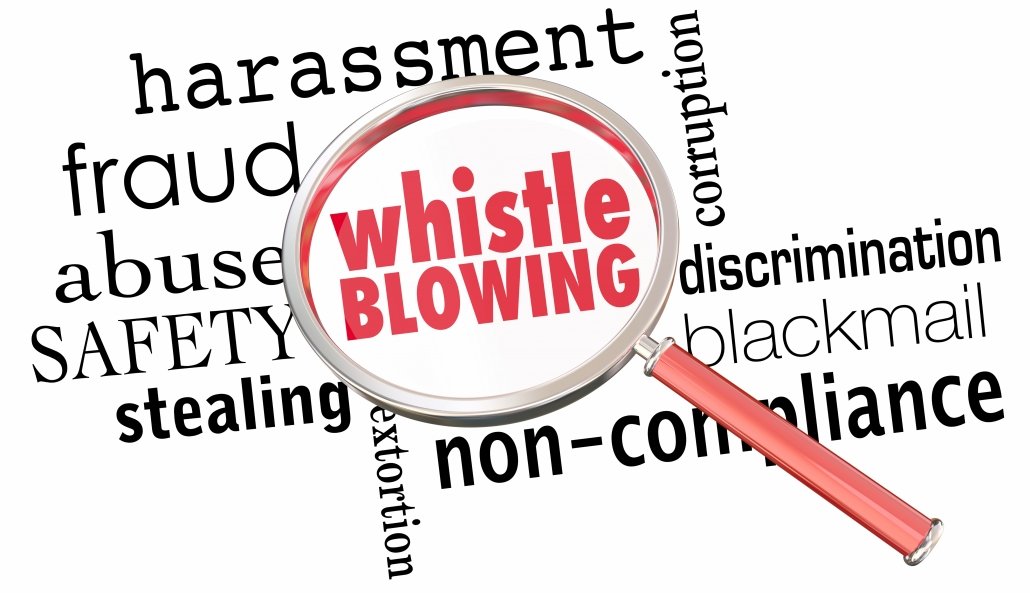
 You’ve just been fired, or you suspect you’re about to be fired. And you think that your termination may be for an illegal reason (e.g., discrimination, retaliation, blowing the whistle). Now what?
1. Do Not Quit / Do Not Sign Anything. Most workers who suspect termination is imminent often believe it is better to quit than be fired. But depending on the circumstances, that might not be true. Voluntarily leaving your position before your employer takes any adverse employment action against you (e.g., a termination), could weaken your ability to make an employment claim. Often it is wiser to continue to do your job well, which means that your employer will have to terminate you to make you leave. However, there could be extenuating circumstances that would warrant a different decision. If you are tempted to quit your job, it would be wise to contact an employment attorney before quitting to discuss your particular situation and your options.
At your termination meeting, your employer may present you with a document called a separation or severance agreement, potentially with an offer of some amount of money. Again, the wise thing to do is to consult with an attorney before signing anything. If you signed this document already and are having second thoughts, you should immediately contact an employment attorney to review the agreement on your behalf. If you act quickly enough, you may be able to rescind your agreement.
Read More…
 We often write about the more common protections for employees in Minnesota, such as protections against discrimination, sexual harassment, retaliation for reporting law violations (i.e. whistle blowers), and protections for employees who take medical leave. But, did you know that Minnesota also provides lesser-known protections to employees? For example, Minnesota law allows employees to take up to 16 hours of time off work to attend their child’s school conferences and activities each year and for each child.
 What rights does an employee have when jury duty calls?
 The #MeToo movement has shined light on sexual harassment and sexual assault in the workplace and work-related events. However, there is still a value in increasing knowledge, training, and education when it comes to sexual harassment and sexual assault in the workplace.
 Minnesota is known as an employment “at-will” state. This means that an employer can terminate an employee for any reason, or no reason at all. This “at-will” doctrine gives employers considerable discretion, and allows them to terminate an employee for what may seem like unreasonable and irrational reasons. For example, let’s say your employer terminates you for walking into work one day with a Pepsi because he has an unofficial Coca-Cola-only policy. While this is not a great business practice, there is nothing wrongful or illegal about this termination.